CONTACT US: 602-932-3436

Partial Hospitalization Program in Phoenix, AZ
What Makes Our Program at The Rosemary Tree different?
Is This Program Right for Your Family?
This intensive level of care isn't a starting point. It’s a bridge for when traditional methods haven't quite met your family’s needs.
Jason explains that this program is typically designed for kiddos experiencing:
School Refusal: The anxiety of the school day has become an impassable barrier.
Treatment-Resistant Depression: You’ve tried medication and it’s not working; you’ve tried individual or group therapy and haven’t seen progress.
Transitions: Your kid has just been discharged from a residential treatment center and needs a step-down process from 24/7 care.
If any of these resonate, this program may provide the immersive environment your child needs to shift from simply surviving to thriving.
NOTE: Our PHP is in-network with BCBS, Aetna and Cigna.
Support for Teens.
Peace of Mind for Parents.
The Rosemary Tree’s Adolescent PHP (Partial Hospitalization Program) offers a powerful path to healing for teens who need more than weekly therapy, without the need for overnight stays.
This five-day-a-week program provides 20+ hours of therapeutic care, blending clinical excellence with creative, play-based modalities that teens actually connect with. We guide them through emotional highs and lows using evidence-based practices like DBT, EMDR, and family systems therapy, all in a setting that feels more like a supportive community than a clinical environment.

What is PHP:
The Partial Hospitalization Program (PHP) offers a structured, intensive mental health treatment option foradolescents. Operating five days a week, PHP provides the support of a hospital program without overnightstays. It helps clients balance recovery with daily life, promoting independence and resilience.
How PHP works:
Participants receive at least 20 hours of care weekly, including personalized therapy for the individual and family, academic guidance, and psychiatric support. Our program utilizes a variety of modalities including dialectical behavior therapy (DBT), family systems, and trauma-informed care (EMDR).
Exiting the program:
The program fosters a sense of community, where clients connect and support each other in their journey to recovery. We ensure a smooth transition to less intensive services, like our Intensive Outpatient Program (IOP), to support long-term recovery and independence.
NOTE: Our PHP is in-network with BCBS, Aetna and Cigna.
Who is this for?
Our program is catered to teens and adolescents who are facing the following:
Anxiety
Depression
Trauma
Emotional disregulation
Our program is catered to teens and adolescents who need:
Structured support beyond what outpatient therapy provides
An alternative to full inpatient care.
Whether your teen is struggling silently or in crisis, our team is here to meet them exactly where they are — and help them move forward.
About Our Partial
Hospitalization Program
PHP provides the support of a hospital program without overnight stays. It helps clients balance recovery with daily life, promoting independence and resilience.
Structured Schedule of Intensive care
Our program is five days a week with 22 hours of care weekly, including:
Academic support
Teen group
Individual sessions
Family sessions
Parent group
Rooted in Multiple Clinical Approaches
Our program utilizes a variety of modalities including:
DBT
EMDR
Family systems
Trauma-informed care
To increase emotional regulation, people skills, distress tolerance, and lasting healing.
Program Hours
Monday 10:00 - 3:00
Tuesday 10:00 - 3:00
Wednesday 10:00 –3:00
Thursday 10:00 - 3:00
Friday 10:00 -12:00
What makes our program different?
Personalized Therapy Plans
No one-size-fits-all approach. Every teen gets a tailored roadmap for healing — and a team that’s truly in their corner.
Whole-Family Support
We believe healing is a family journey. Through parent groups and family sessions, we equip caregivers with the tools to better connect, support, and communicate with their teen.
Creative + Clinical Healing
Our approach integrates play, nature, movement, and expression. It’s not just therapy, it’s transformation.
Academic & Life Balance
Teens stay engaged with school while building emotional resilience. We provide academic support so they don’t fall behind during their healing process
Resources and Guides for Parents
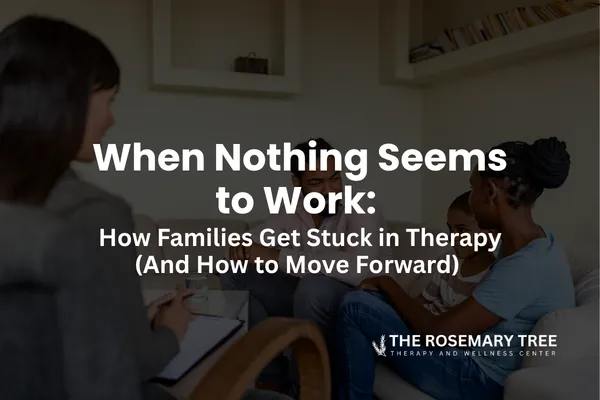
When Nothing Seems to Work: How Families Get Stuck in Therapy (And How to Move Forward)
Many families reach a point where it feels like nothing is working.
They have tried weekly therapy. They have had the conversations. They have followed recommendations. Yet the same patterns continue, conflict repeats, communication breaks down, and progress feels limited.
For families navigating adolescent mental health challenges, this experience can feel discouraging and confusing. It is not uncommon for parents seeking adolescent therapy to begin questioning whether therapy is helping at all, especially in situations where therapy not working adolescents becomes a growing concern within the household.
In many cases, the issue is not effort. It is the structure of care.
Why Families Get Stuck in Therapy
Weekly therapy can be effective, but it also has limitations, especially when family patterns are deeply rooted.
Families may feel stuck when:
Sessions end just as important emotions begin to surface
Adolescents struggle to engage consistently
Communication patterns repeat between sessions
Parents feel unsure how to apply tools at home
Progress feels slow or inconsistent
These challenges often reflect the complexity of family dynamics and teen mental health, not a lack of motivation.
The National Institute of Mental Health explains that adolescent mental health concerns often develop over time and require consistent, structured support:
https://www.nimh.nih.gov/health/topics/child-and-adolescent-mental-health
Why Insight Alone Does Not Create Change
Many families leave therapy understanding their patterns but still struggle to change them.
This is because:
Insight does not automatically change emotional reactions
Stress responses happen quickly and outside of sessions
Families need time to practice new patterns while supported
A family systems therapy adolescents approach recognizes that behavior is shaped within interaction patterns. Changing those patterns requires more than conversation, it requires real-time experience and support.
A family systems perspective highlights how relational patterns maintain symptoms over time:
https://www.newportacademy.com/resources/restoring-families/family-systems-approach/
Research on family-based interventions shows improved outcomes when families are actively engaged in treatment together:
https://pmc.ncbi.nlm.nih.gov/articles/PMC3937265/
When a Different Level of Care Is Needed
When therapy feels stalled, it does not mean therapy has failed. It may mean the level of care needs to change.
Many families begin exploring options such as family therapy intensives when:
Weekly therapy has not created meaningful progress
Adolescents remain disengaged or reactive
Conflict patterns continue without resolution
Parents feel exhausted or unsure how to move forward
Approaches grounded in trauma informed family therapy help create emotional safety and regulation, but they are often most effective when paired with enough time and structure to practice new patterns consistently.
This is where a more immersive format becomes essential.
How Intensive Family Therapy Helps Families Move Forward
Weekly therapy has its place, but when challenges are layered, urgent, or emotionally intense, one hour at a time is often not enough to create meaningful change.
The Rosemary Tree’s Accelerated Family Therapy Intensives are designed to help families move forward faster by providing dedicated, uninterrupted time to work through patterns that are not shifting in weekly care. For families exploring intensive family therapy Arizona, this approach offers a more structured and immersive path forward.
Instead of stopping just as progress begins, families are supported through deeper, continuous work. With structured, multi-hour sessions, adolescents, parents, and the family system are supported together. In many cases, multiple clinicians are involved to provide different perspectives and coordinated care.
This approach is especially helpful for families who feel like:
“We’ve tried everything and nothing is working”
Patterns keep repeating despite ongoing therapy
Progress starts but does not hold between sessions
There is a need to go deeper without the gaps of weekly care
For families navigating family therapy for adolescents Arizona, this level of care can provide clarity, momentum, and a clear path forward.
If you are ready to explore a more focused approach, you can learn more or submit an inquiry here: https://therosemarytree.org/intensive-therapy-phoenix-az
Final Thoughts
When nothing seems to be working, it does not mean your family is beyond help. It often means your family needs a different structure of support.
By shifting from weekly sessions to a more immersive and system-focused approach, families can move out of repeating cycles and begin creating meaningful, lasting change together.

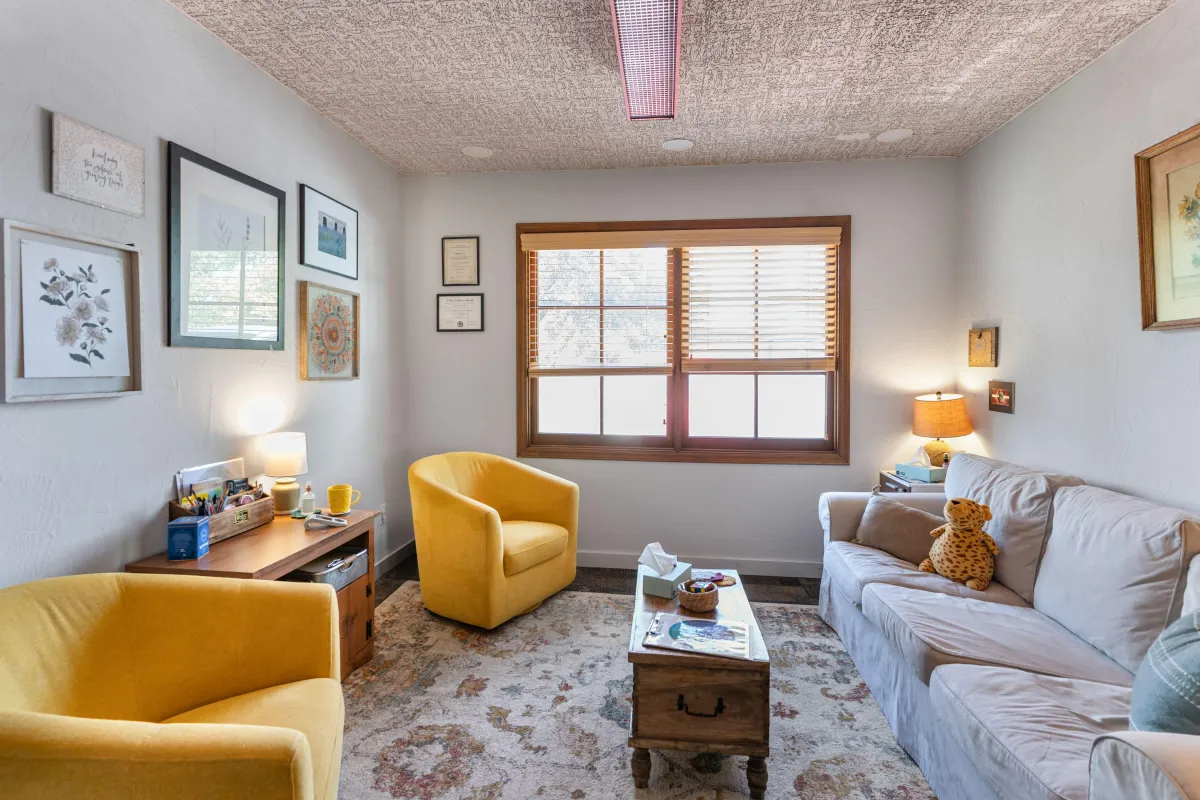
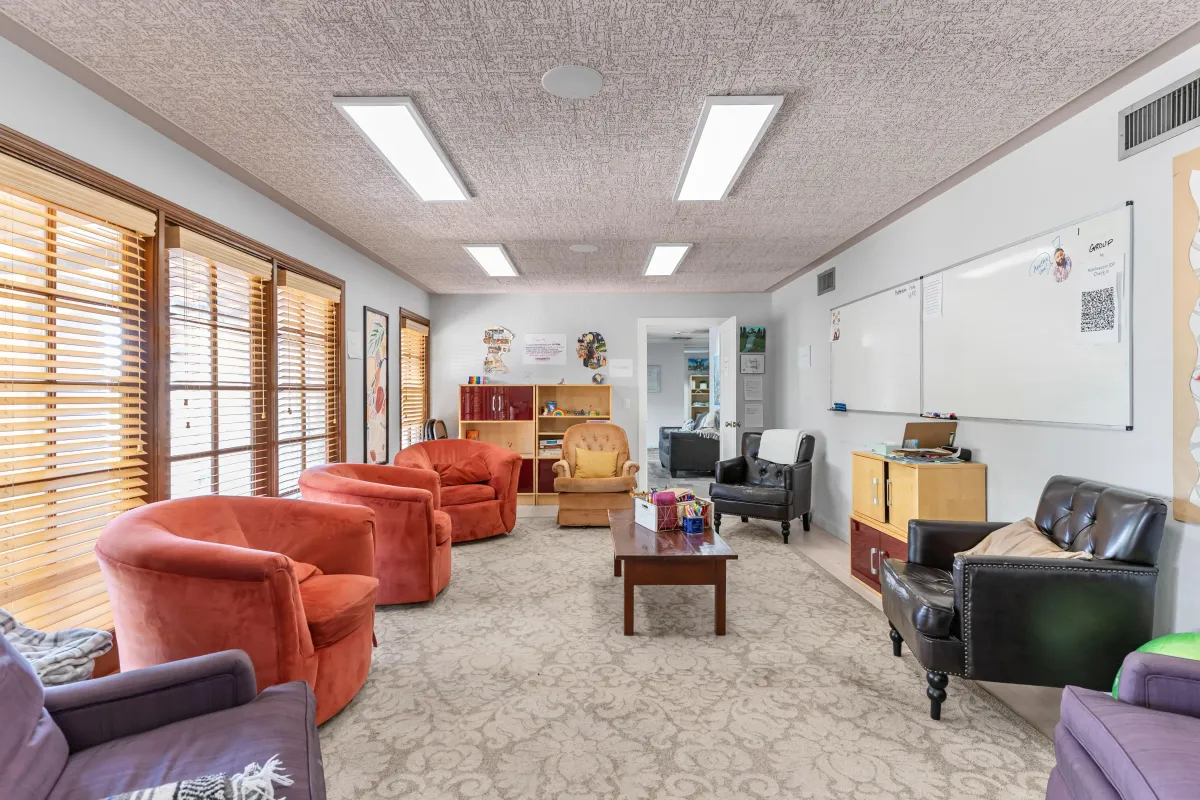
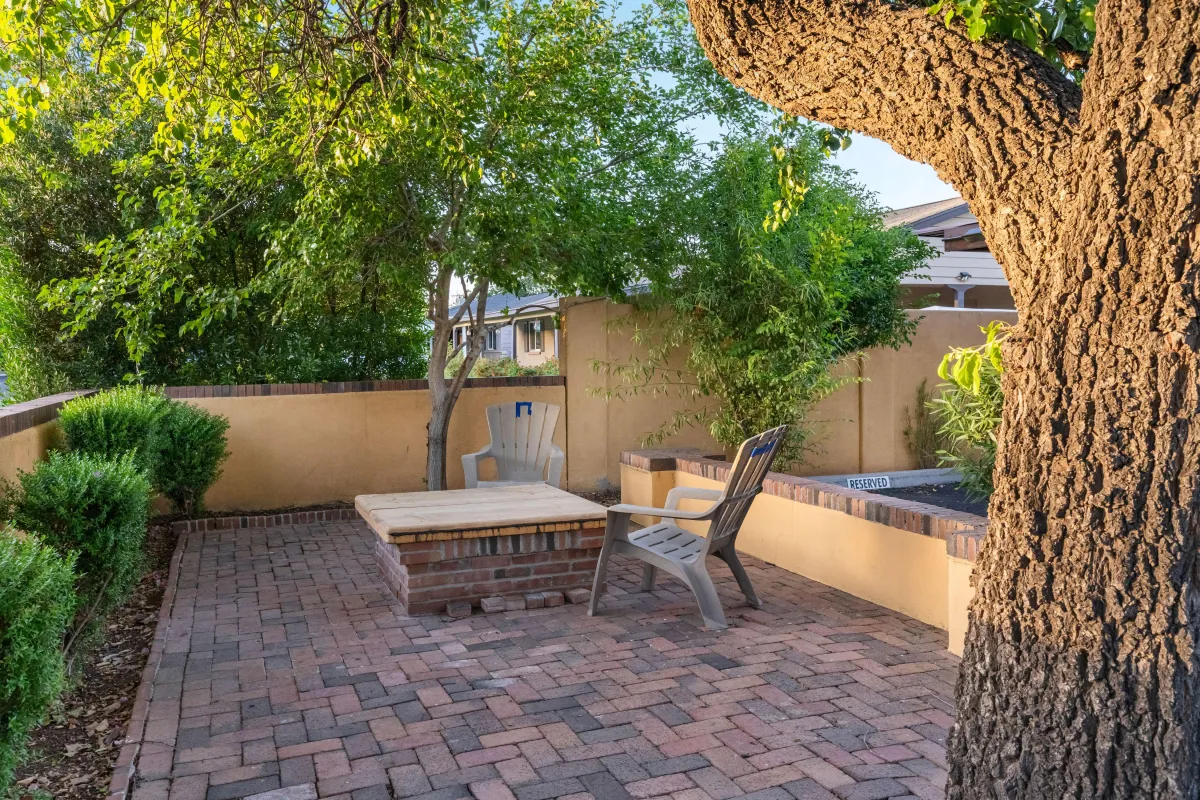
A Safe and Supportive Space for Youth at Our Arizona Treatment Center
We offer our services in an intentionally home-like environment at our residential-style treatment center in Arizona. Our goal is to create a space where adolescents feel comfortable—not clinical—while receiving care at our facility for adolescents.
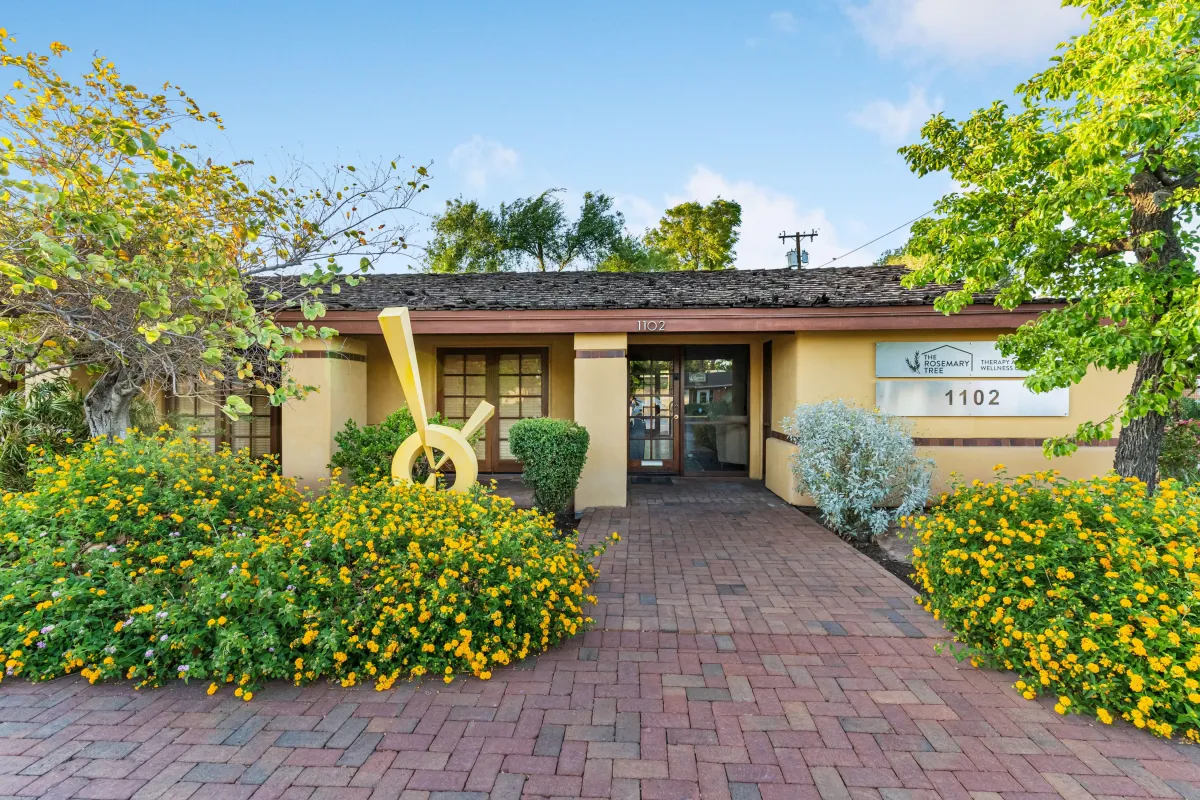
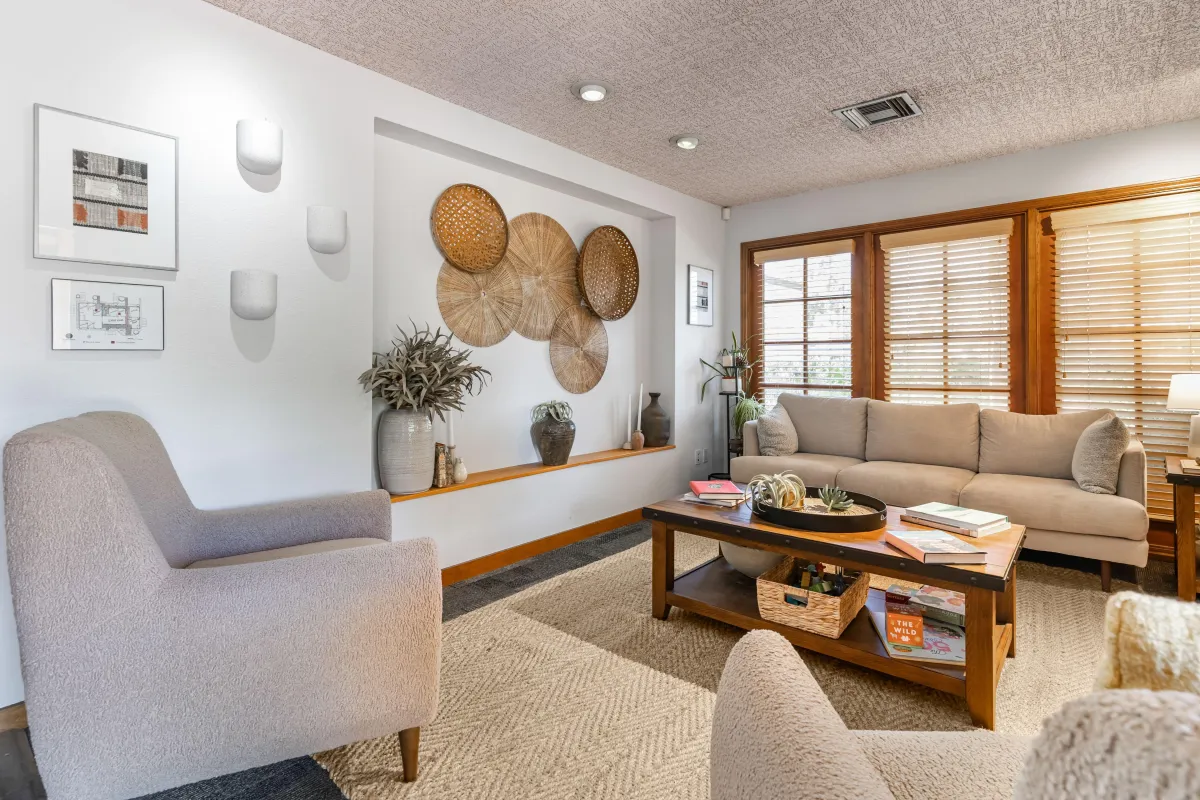
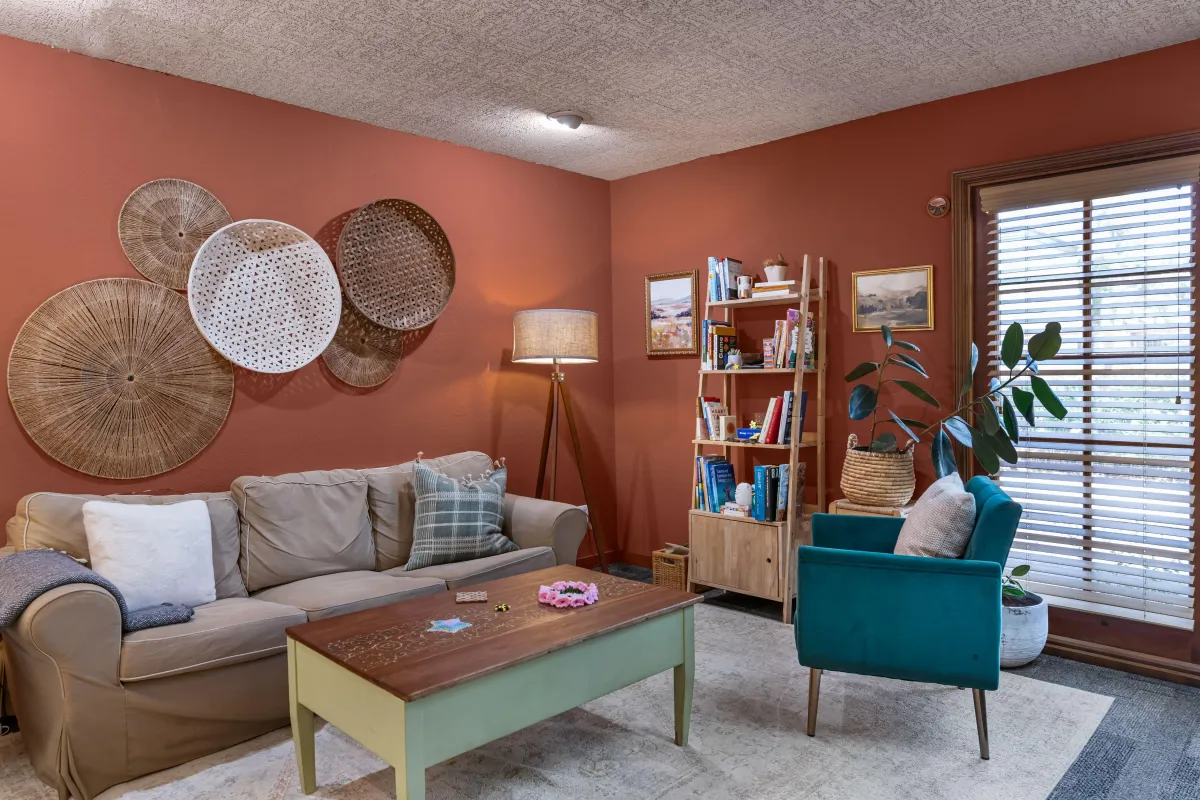
The Rosemary Tree Mental Health Treatment Centers in Phoenix, AZ
The Rosemary Tree operates residential treatment centers for youth in Arizona, offering specialized care for a variety of personal and relational challenges. Through our residential treatment facility for adolescents, we provide inpatient residential care, outpatient intensives, marriage and relationship counseling, family counseling, individual counseling, and more.
Our partial hospitalization program in Phoenix, intensive outpatient program in Phoenix (IOP), and DBT therapy programs are among the most clinically effective in the state. As a trusted residential treatment Arizona provider, we offer an intensive outpatient program in Phoenix, AZ, designed to support individuals needing structured care while maintaining daily responsibilities. Our specialized IOP for adolescents and IOP for youth provide tailored therapeutic approaches, ensuring young individuals receive the guidance and support they need. We integrate evidence-based treatments such as Narrative Therapy, Dialectical Behavioral Therapy (DBT), Eye Movement Desensitization and Reprocessing (EMDR), Internal Family Systems (IFS), Cognitive Behavioral Therapy (CBT), Acceptance and Commitment Therapy (ACT), Restoration Therapy (RT), Sensorimotor, Gestalt, and Art Therapy, among many others.
⚡ Site Built with BAMF Technology ⚡