TALK TO A REAL HUMAN: 602-932-3436

Partial Hospitalization Program in Phoenix, AZ
What Makes Our Program at The Rosemary Tree different?
Is This Program Right for Your Family?
This intensive level of care is a bridge for when traditional methods haven't quite met your family’s needs.
This program is designed for kiddos experiencing:
School Refusal: The anxiety of the school day has become an impassable barrier.
Treatment-Resistant Depression: You’ve tried medication and it’s not working; you’ve tried individual or group therapy and haven’t seen progress.
Transitions: Your kid has just been discharged from a residential treatment center and needs a step-down process from 24/7 care.
If any of these resonate, this program may provide the immersive environment your child needs to shift from simply surviving to thriving.
NOTE: Our PHP is in-network with Aetna, BCBS, Cigna, and TriCare.
Support for Teens.
Peace of Mind for Parents.
The Rosemary Tree’s Adolescent PHP (Partial Hospitalization Program) offers a powerful path to healing for teens who need more than weekly therapy, without the need for overnight stays.
This five-day-a-week program provides 20+ hours of therapeutic care, blending clinical excellence with creative, play-based modalities that teens actually connect with. We guide them through emotional highs and lows using evidence-based practices like DBT, EMDR, and family systems therapy, all in a setting that feels more like a supportive community than a clinical environment.

What is PHP:
The Partial Hospitalization Program (PHP) offers a structured, intensive mental health treatment option foradolescents. Operating five days a week, PHP provides the support of a hospital program without overnightstays. It helps clients balance recovery with daily life, promoting independence and resilience.
How PHP works:
Participants receive at least 20 hours of care weekly, including personalized therapy for the individual and family, academic guidance, and psychiatric support. Our program utilizes a variety of modalities including dialectical behavior therapy (DBT), family systems, and trauma-informed care (EMDR).
Exiting the program:
The program fosters a sense of community, where clients connect and support each other in their journey to recovery. We ensure a smooth transition to less intensive services, like our Intensive Outpatient Program (IOP), to support long-term recovery and independence.
Who is this for?
Our program is catered to teens and adolescents who are facing the following:
Anxiety
Depression
Trauma
Emotional disregulation
Our program is catered to teens and adolescents who need:
Structured support beyond what outpatient therapy provides
An alternative to full inpatient care.
Whether your teen is struggling silently or in crisis, our team is here to meet them exactly where they are — and help them move forward.
About Our Partial
Hospitalization Program
PHP provides the support of a hospital program without overnight stays. It helps clients balance recovery with daily life, promoting independence and resilience.
Structured Schedule of Intensive care
Our program is five days a week with 22 hours of care weekly, including:
Academic support
Teen group
Individual sessions
Family sessions
Parent group
Rooted in Multiple Clinical Approaches
Our program utilizes a variety of modalities including:
DBT
EMDR
Family systems
Trauma-informed care
To increase emotional regulation, people skills, distress tolerance, and lasting healing.
Program Hours
Monday 10:00 - 3:00
Tuesday 10:00 - 3:00
Wednesday 10:00 –3:00
Thursday 10:00 - 3:00
Friday 10:00 -12:00
What makes our program different?
Personalized Therapy Plans
No one-size-fits-all approach. Every teen gets a tailored roadmap for healing — and a team that’s truly in their corner.
Whole-Family Support
We believe healing is a family journey. Through parent groups and family sessions, we equip caregivers with the tools to better connect, support, and communicate with their teen.
Creative + Clinical Healing
Our approach integrates play, nature, movement, and expression. It’s not just therapy, it’s transformation.
Academic & Life Balance
Teens stay engaged with school while building emotional resilience. We provide academic support so they don’t fall behind during their healing process
Resources and Guides for Parents
Summer Without Structure: Why It Can Impact Adolescent Mental Health More Than You Think
Summer is often seen as a time for rest, freedom, and a break from routine. But for many adolescents, the absence of structure can create more challenges than expected.
Creating a consistent summer routine adolescents can rely on helps restore structure while supporting both emotional stability and daily engagement.
Without school schedules, regular social interaction, and daily expectations, adolescents are left to manage their time independently. While this can be a positive opportunity, it can also lead to a noticeable shift in mood, motivation, and behavior.
For many families, this is where summer structure teens mental health becomes an important consideration. Without enough rhythm or predictability, both emotional regulation and family interactions can begin to shift.
For parents seeking adolescent therapy, understanding the role structure plays in emotional stability can help prevent patterns of disconnection, frustration, or instability.
Why Structure Matters More Than It Seems
Structure provides more than just organization. It supports emotional stability, predictability, and a sense of control.
During the school year, adolescents benefit from:
Consistent routines
Clear expectations
Built-in social interaction
Regular activity and movement
When these supports are removed, adolescents may experience:
Increased anxiety or restlessness
Difficulty staying motivated
Irregular sleep and energy patterns
Greater emotional reactivity
The National Institute of Mental Health explains that changes in routine and environment can significantly influence adolescent mental health, especially when underlying challenges are present:
https://www.nimh.nih.gov/health/topics/child-and-adolescent-mental-health
Without some level of structure, it becomes more difficult for adolescents to regulate both their time and emotions.
How Lack of Structure Affects Family Dynamics
When structure decreases, parents often feel the impact quickly.
They may notice:
Increased tension around expectations
More frequent disagreements about time use
Resistance to responsibilities or activities
Difficulty maintaining consistent communication
At the same time, adolescents may feel:
Overwhelmed by too much unstructured time
Disconnected or bored
Frustrated by perceived pressure or expectations
This interaction can create cycles of tension within the home. What appears to be defiance or disengagement is often a response to a lack of rhythm and predictability.
A family systems therapy adolescents approach helps families understand how these patterns develop and how each response contributes to the overall dynamic.
A family systems perspective highlights how routines and interactions shape behavior over time:
https://www.newportacademy.com/resources/restoring-families/family-systems-approach/
Finding the Balance Between Freedom and Structure
Summer does not need to be rigid to be effective. The goal is not to recreate the school year, but to provide enough structure to support stability while allowing flexibility.
This balance might include:
Creating a loose daily rhythm (wake time, activity, downtime)
Setting a few consistent expectations
Encouraging social interaction or meaningful activities
Allowing adolescents to participate in planning their time
Approaches grounded in trauma informed family therapy emphasize emotional safety and regulation. When adolescents feel supported rather than controlled, they are more likely to engage and respond positively.
Research shows that when families are involved in structured and supportive ways, adolescents experience improved outcomes in mental health and engagement:
https://pmc.ncbi.nlm.nih.gov/articles/PMC3937265/
What Level of Support Is Right for Your Adolescent?
If your adolescent is struggling with the lack of structure during the summer, it may be helpful to consider additional support.
For families exploring teen mental health support in Arizona, The Rosemary Tree offers multiple levels of care depending on your adolescent’s needs, including intensive family therapy Arizona when more structured intervention is needed.
Teen DBT Group Therapy
Helps adolescents build emotional regulation, communication, and coping skills in a structured group setting.
https://therosemarytree.org/teen-dbt-group-therapy
Teen Intensive Outpatient Program (IOP)
Provides structured support while allowing adolescents to remain at home and maintain flexibility during the summer months.
https://therosemarytree.org/phoenix-intensive-outpatient-program
Partial Hospitalization Program (PHP)
Offers a higher level of care for adolescents needing more consistent daily therapeutic support.
https://therosemarytree.org/partial-hospitalization-program-phoenix-az
Accelerated Outcomes Therapy (Intensives)
Family therapy intensives provide focused, short-term support that helps adolescents and families create structure, improve communication, and regain stability.
https://therosemarytree.org/intensive-therapy-phoenix-az
If you are unsure which option is right for your family, you can start by reaching out through the contact form:
https://therosemarytree.org/contact
Final Thoughts
Summer without structure can feel freeing at first, but over time, it can create challenges for both adolescents and parents.
By understanding how structure supports emotional regulation and making small, intentional adjustments, families can create a more balanced and supportive environment.
With the right approach, summer can become a time not just for rest, but for stability, growth, and stronger family connection.

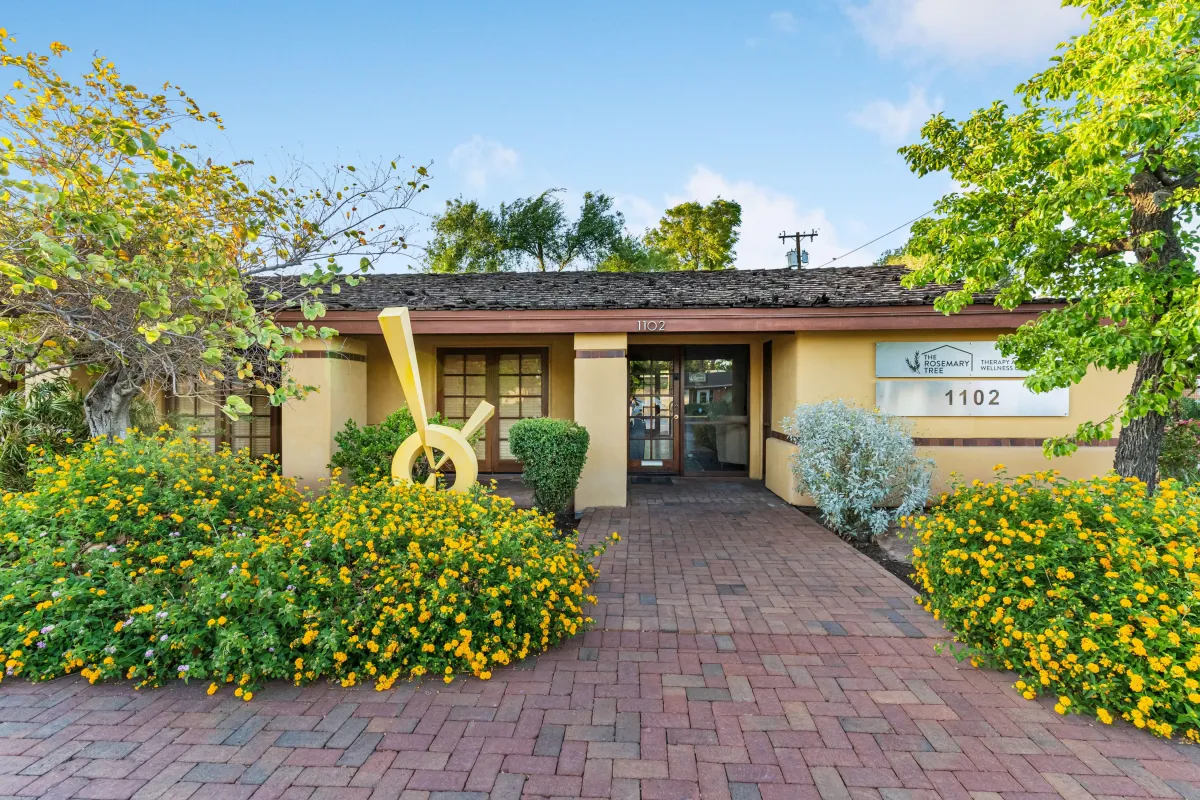
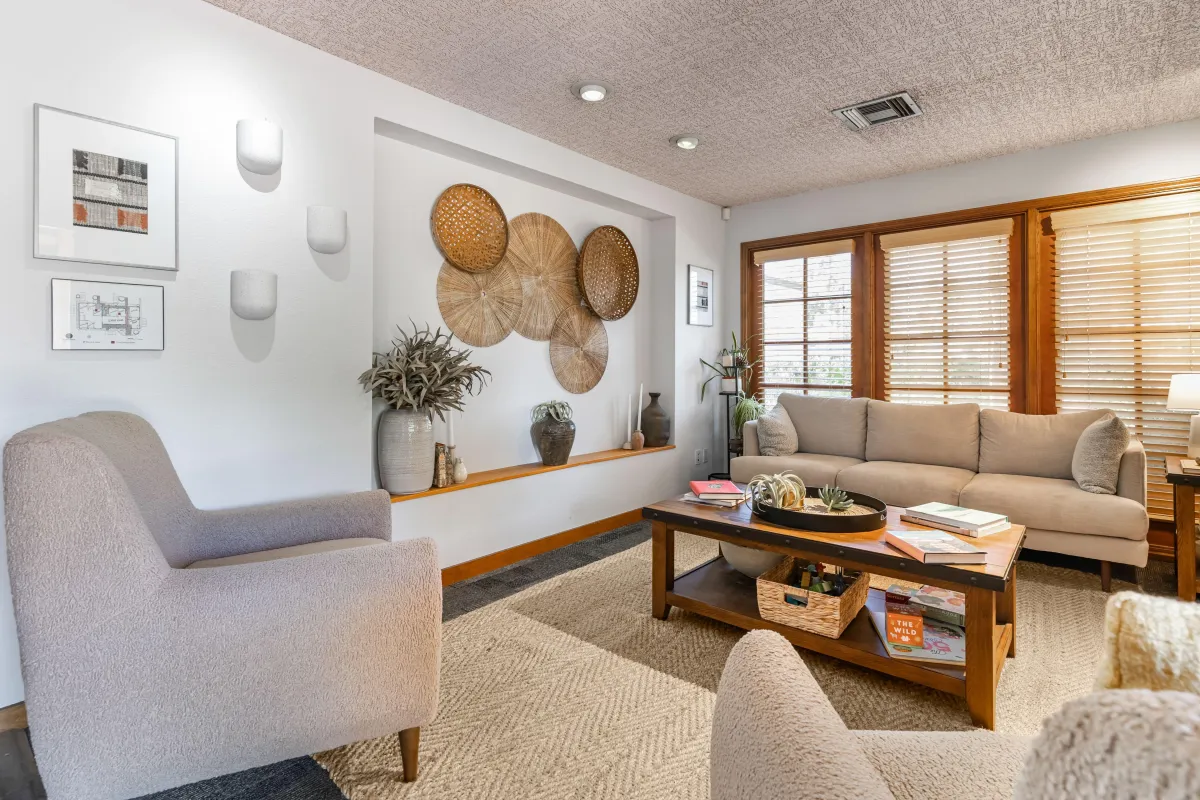
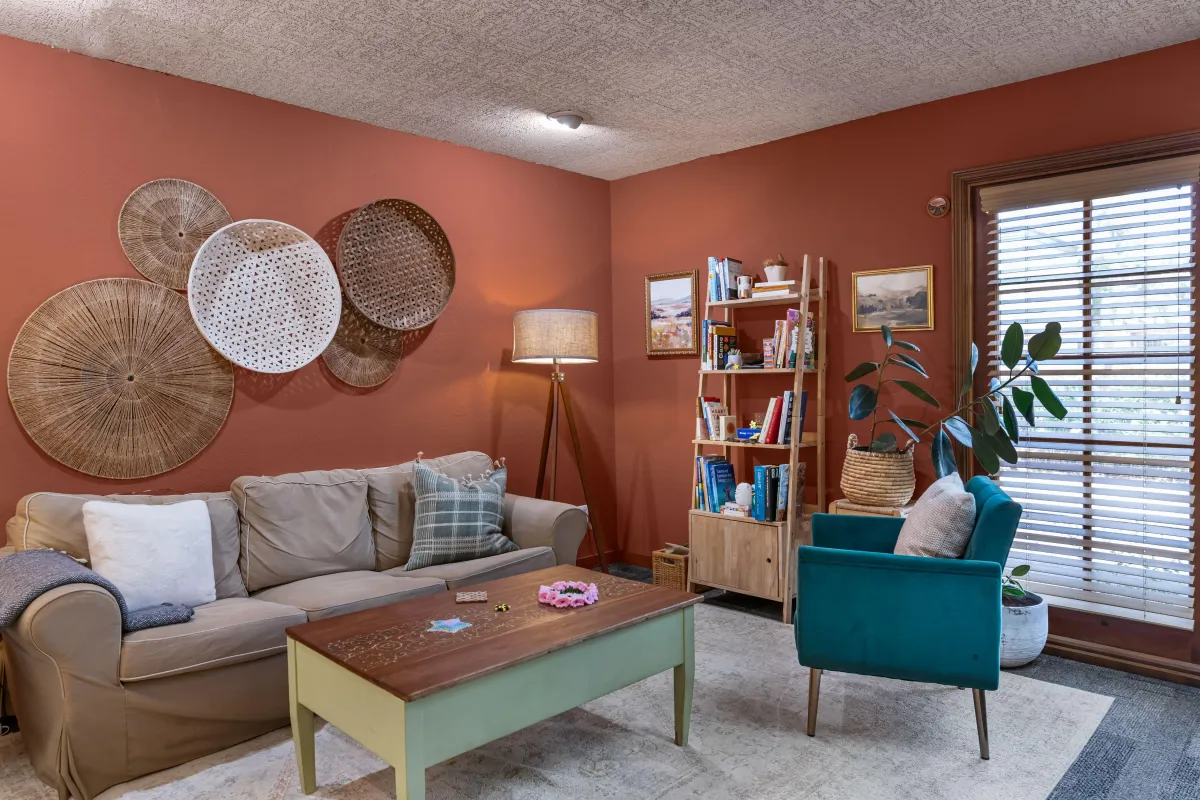
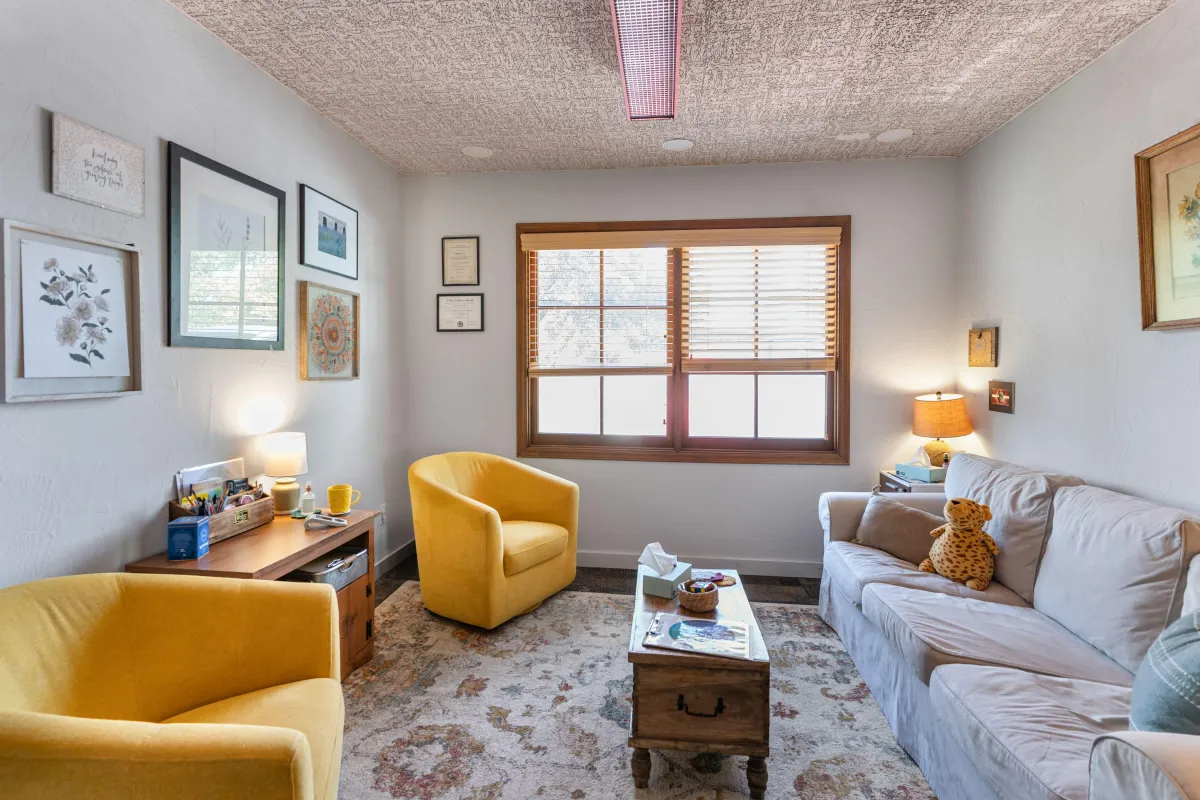
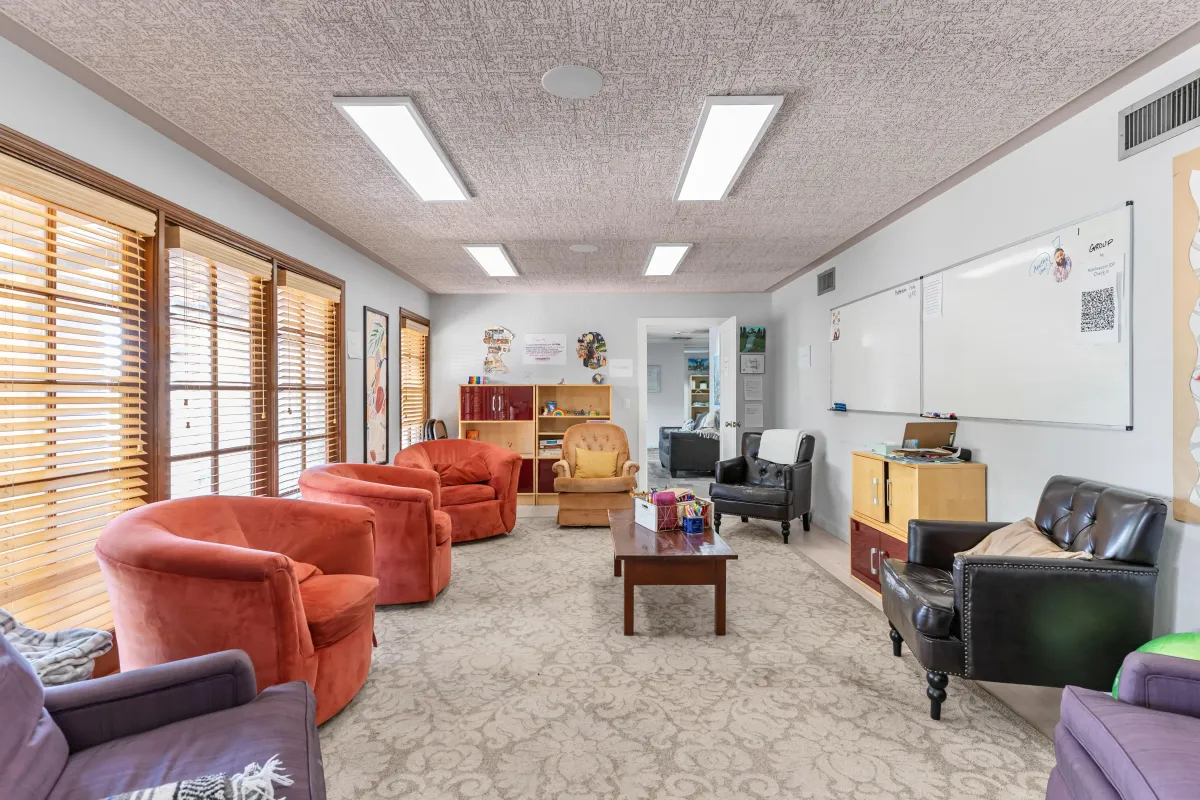
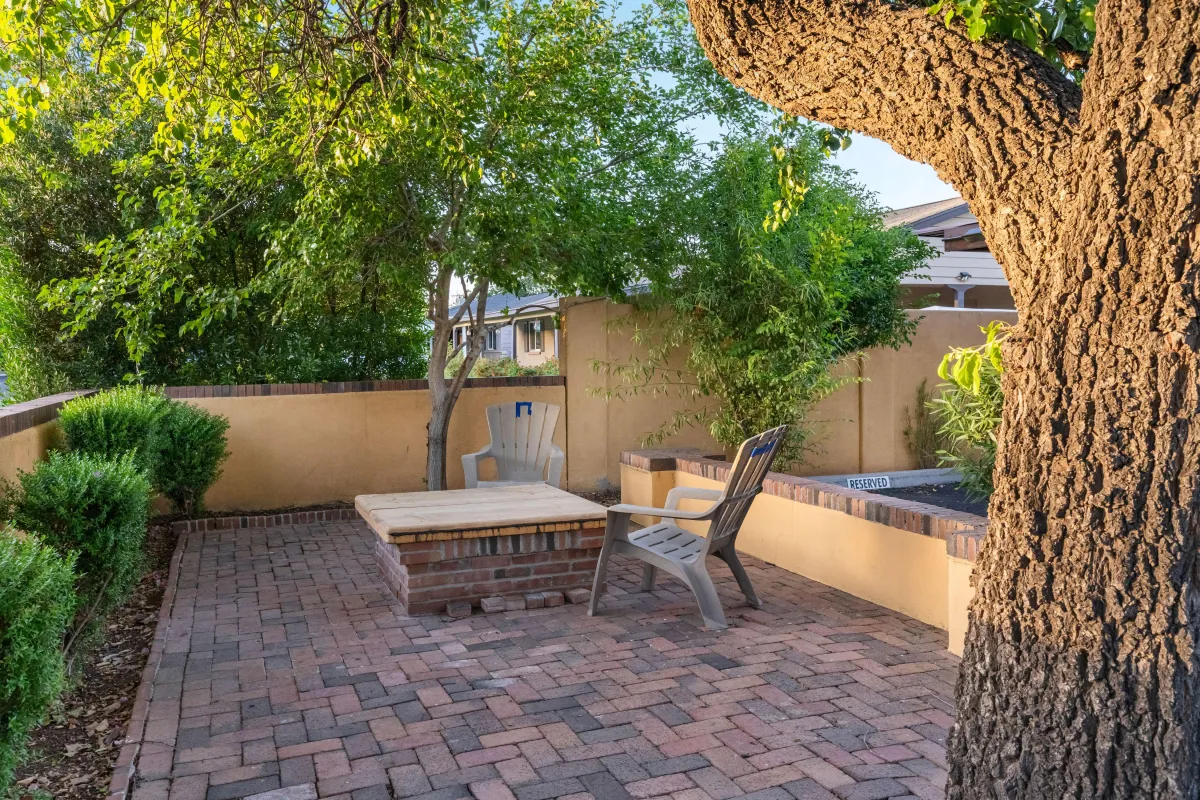
A Safe and Supportive Space for Youth at Our Arizona Treatment Center
We offer our services in an intentionally home-like environment at our residential-style treatment center in Arizona. Our goal is to create a space where adolescents feel comfortable—not clinical—while receiving care at our facility for adolescents.
The Rosemary Tree Mental Health Treatment Centers in Phoenix, AZ
The Rosemary Tree operates residential treatment centers for youth in Arizona, offering specialized care for a variety of personal and relational challenges. Through our residential treatment facility for adolescents, we provide inpatient residential care, outpatient intensives, marriage and relationship counseling, family counseling, individual counseling, and more.
Our partial hospitalization program in Phoenix, intensive outpatient program in Phoenix (IOP), and DBT therapy programs are among the most clinically effective in the state. As a trusted residential treatment Arizona provider, we offer an intensive outpatient program in Phoenix, AZ, designed to support individuals needing structured care while maintaining daily responsibilities. Our specialized IOP for adolescents and IOP for youth provide tailored therapeutic approaches, ensuring young individuals receive the guidance and support they need. We integrate evidence-based treatments such as Narrative Therapy, Dialectical Behavioral Therapy (DBT), Eye Movement Desensitization and Reprocessing (EMDR), Internal Family Systems (IFS), Cognitive Behavioral Therapy (CBT), Acceptance and Commitment Therapy (ACT), Restoration Therapy (RT), Sensorimotor, Gestalt, and Art Therapy, among many others.




HOURS

Mon-Fri: 8am - 7pm
Sat: By Appointment
The Rosemary Tree Mental Health Treatment Centers in Phoenix, AZ
The Rosemary Tree operates residential treatment centers for youth in Arizona, offering specialized care for a variety of personal and relational challenges. Through our intensive outpatient program for adolescents, we provide care, outpatient intensives, marriage and relationship counseling, family counseling, individual counseling, and more.
Our intensive outpatient program in Arizona (IOP), and DBT therapy programs are among the most clinically effective in the state. As a trusted residential treatment Arizona provider, we offer an intensive outpatient program in Phoenix, AZ, designed to support individuals needing structured care while maintaining daily responsibilities. Our specialized IOP for adolescents and IOP for youth provide tailored therapeutic approaches, ensuring young individuals receive the guidance and support they need. We integrate evidence-based treatments such as Narrative Therapy, Dialectical Behavioral Therapy (DBT), Eye Movement Desensitization and Reprocessing (EMDR), Internal Family Systems (IFS), Cognitive Behavioral Therapy (CBT), Acceptance and Commitment Therapy (ACT), Restoration Therapy (RT), Sensorimotor, Gestalt, and Art Therapy, among many others.
⚡ Site Built with BAMF Technology ⚡